Rhino Steel Industries

Coated Metal Testing
Inside Our Laboratory

Laboratory testing for metallic coating, colour-coated products, mechanical performance and corrosion resistance. Explore the equipment behind mechanical, coating, surface and exposure-related assessment of coated metal products.

Explore this page

Different Questions
Need Different Tests

Coated metal quality depends on both the substrate and its protective finish. Rhino Steel’s in-house laboratory brings together equipment for mechanical properties, surface condition, coating adhesion and exposure-related assessment. The equipment below supports inspection from material assessment through finished coil review, with a different role for each measurement or exposure test.

The in-house laboratory supports testing from raw material assessment through finished coil inspection. Mechanical, coating and surface tests help monitor product consistency and customer specification requirements.

Each test answers a different material question. A bending test considers deformation, a gloss measurement considers surface reflection, and corrosion or weathering exposure examines change under controlled conditions. The test programme and acceptance criteria should be aligned with the agreed product specification.

How The Material
Responds To Deformation

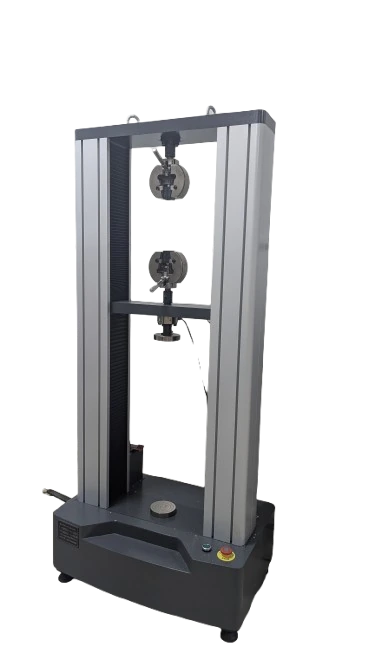
Bending, impact, hardness, cupping and tensile assessment examine how material responds to loads and forming. These tests support discussion of mechanical characteristics and coating behaviour during deformation.

Bending Test equipment or test demonstration

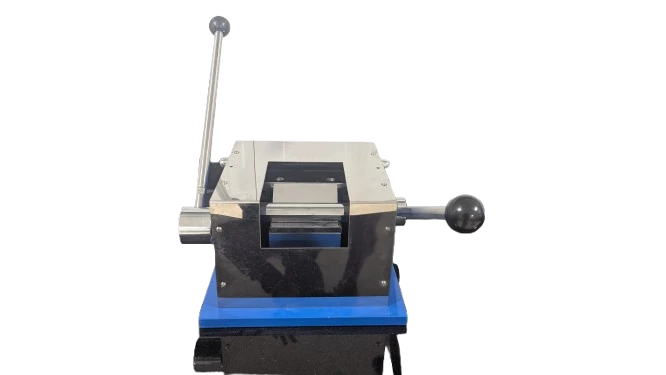
Bending Test

Evaluates flexibility and cracking under bending.

Bending introduces deformation into a coated sample. Reviewing the surface after the bend helps assess how the finish behaves during downstream forming and whether visible cracking or separation occurs.

Impact Test equipment or test demonstration

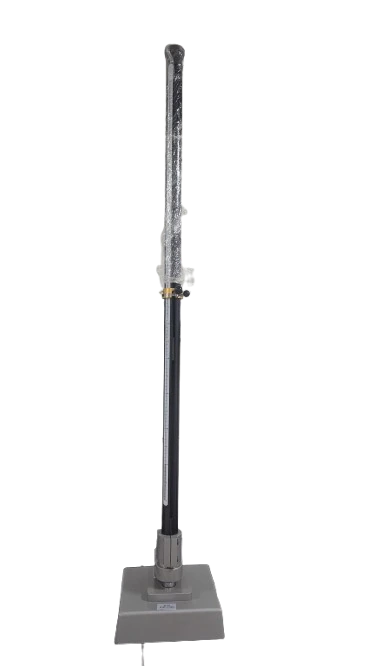
Impact Test

Checks coating response to sudden deformation.

A controlled impact deforms the sample over a small area. Inspection of that area helps assess coating behaviour under sudden deformation, together with the agreed sample and test conditions.

Hardness Test equipment or test demonstration

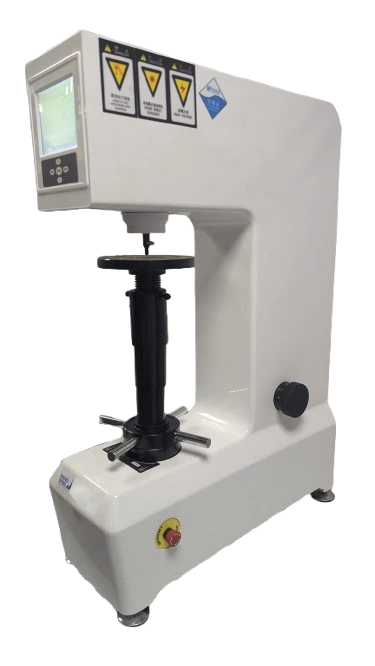
Hardness Test

Assesses surface or material hardness.

Hardness assessment provides information about resistance to indentation or surface marking, depending on the method used. The result must be interpreted with the substrate, coating and selected test procedure.

Cupping Test equipment or test demonstration

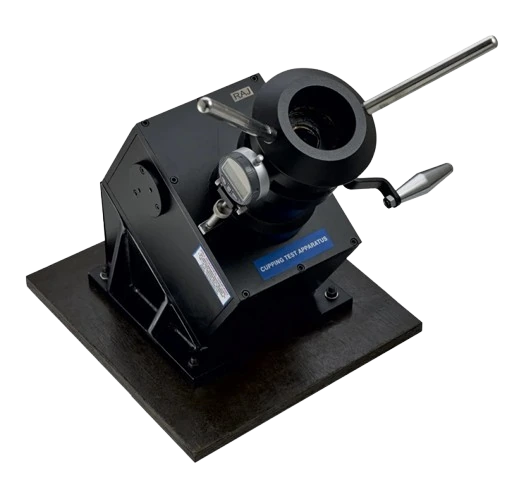
Cupping Test

Checks formability and coating behaviour under deformation.

Cupping progressively deforms a sample into a rounded shape. It helps examine the relationship between material formability and the ability of the coating to remain intact during deformation.

Read The Finish
From More Than One Angle

Surface appearance, film thickness and adhesion describe different characteristics of a coated product. The equipment below supports those complementary checks.

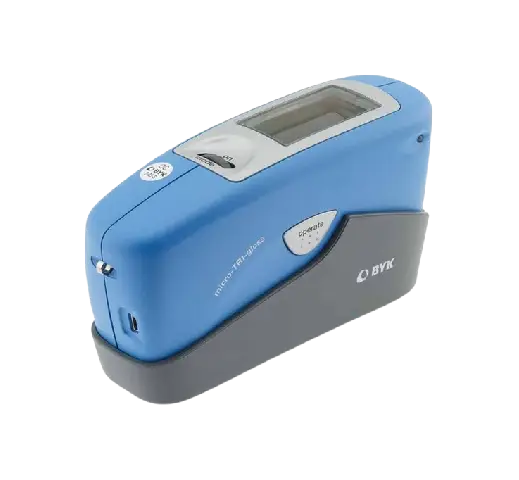
Gloss Test equipment or test demonstration

Gloss Test

Measures surface reflectance at a specified angle.

Gloss measurement describes the way a surface reflects light at the measurement geometry. It supports finish consistency checks alongside the approved appearance and selected coating system.

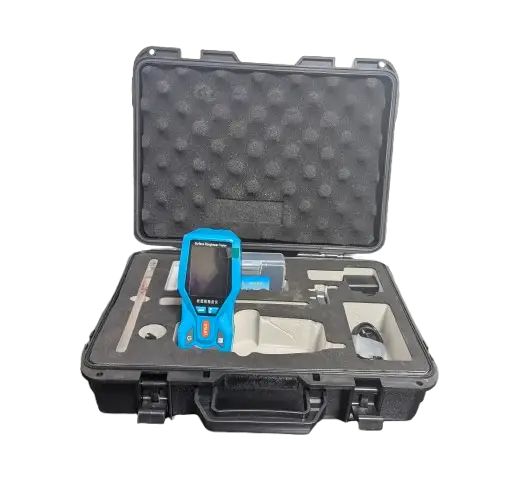
Roughness Testing Machine equipment or test demonstration

Roughness Testing Machine

Measures surface texture.

Surface roughness measurement records aspects of the sample texture. It can support assessment of surface condition where texture is relevant to the agreed product or process requirement.

Paint Thickness Test equipment or test demonstration

Paint Thickness Test

Measures coating film thickness.

Coating thickness measurement supports checking the applied film against the selected finish specification. The measurement method, substrate and points of measurement should be considered when interpreting the result.

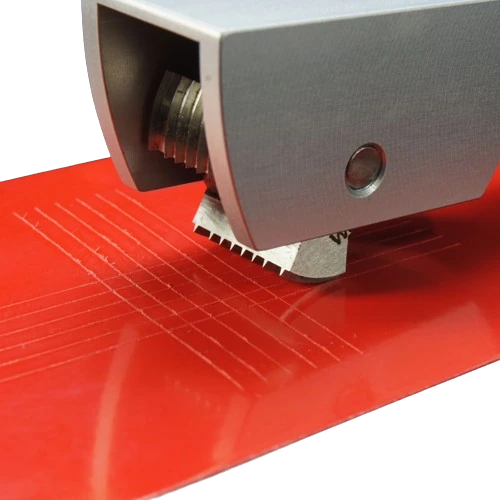
Cross-cut Test equipment or test demonstration

Cross-Cut Test

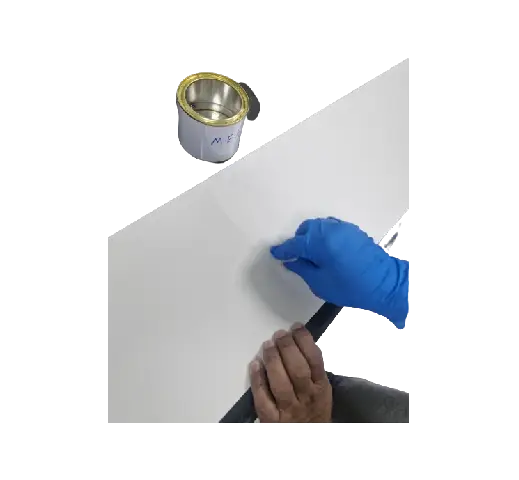
Evaluates coating adhesion.

A cross-cut pattern is made through the coating so adhesion can be assessed using the selected procedure. The observed response is considered with the substrate, preparation and coating system.

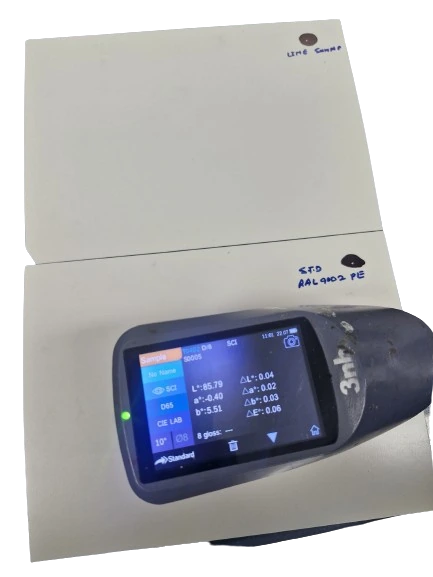
Colour Difference Test equipment or test demonstration

Colour Difference Test

Compares finish against an approved colour reference.

Colour measurement compares the sample with an approved reference. Instrument readings support consistency checks, while visual assessment and appropriate physical samples remain relevant to the finish approval.

Observe The Coating
Under Controlled Conditions

Controlled exposure is used to assess change under specified conditions. Interpret the observations together with the material, coating system and test programme.

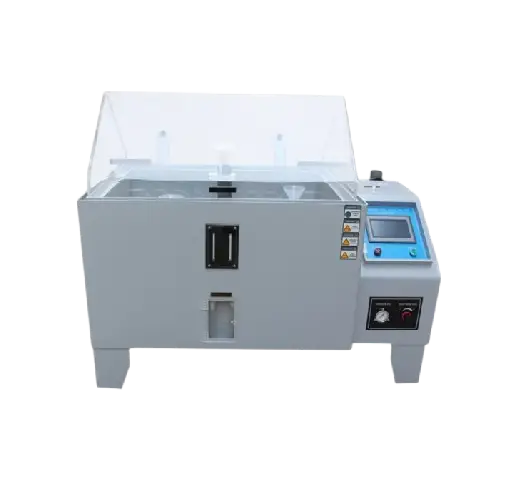
Salt Spray Test equipment or test demonstration

Salt Spray Test

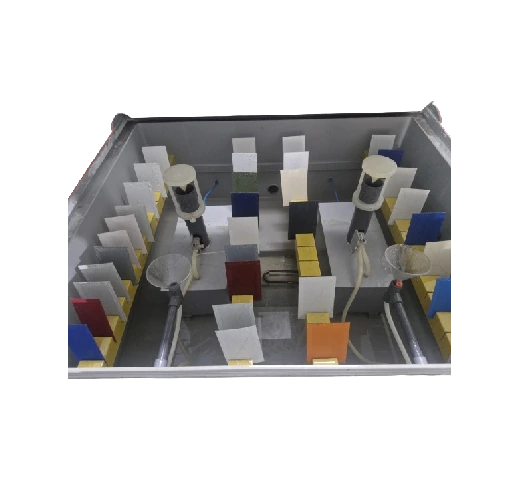
Accelerated corrosion exposure.

Salt spray equipment exposes samples to a controlled corrosive environment. The observations help compare coating behaviour under the chosen test conditions; accelerated exposure is not a direct prediction of years in service.

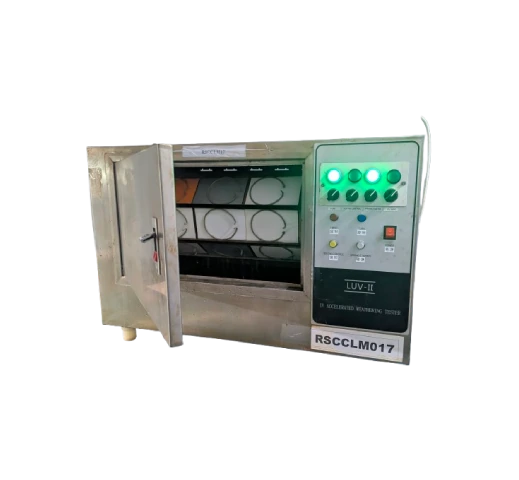
UV Accelerated Weathering Tester equipment or test demonstration

UV Accelerated Weathering Tester

Assesses coating response to artificial UV exposure.

Artificial UV exposure is used to observe changes in a coating under controlled weathering conditions. Colour, gloss or surface changes are considered against the test programme, without treating the result as a universal service-life guarantee.

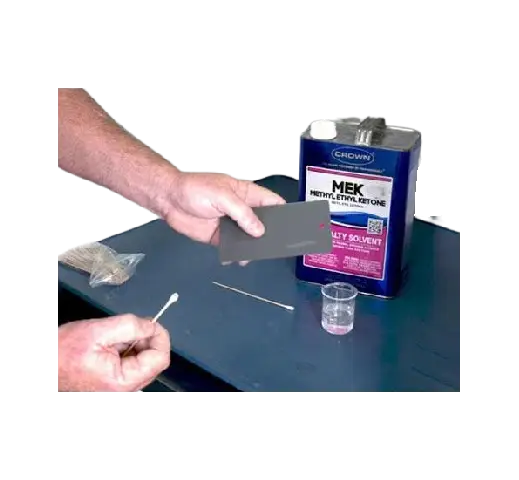
Solvent Resistance Test equipment or test demonstration

Solvent Resistance Test

Assesses resistance to specified solvents.

Solvent resistance assessment examines how the coating responds to the specified solvent and test method. The result is related to those conditions and does not imply resistance to every solvent or cleaning product.

Chemical Resistance Test equipment or test demonstration

Chemical Resistance Test

Checks response to chemical exposure.

Chemical exposure checks examine visible or measurable changes after contact with a selected chemical. Concentration, duration and test conditions are important when relating the result to a proposed application.

Aging Resistance Test equipment or test demonstration

Aging Resistance Test

Evaluates change after accelerated aging.

Controlled aging assessment observes changes in a coating over the test period. Results are interpreted for the chosen exposure conditions and the characteristics being measured, such as appearance or coating condition.

Understand The Material
And Prepare The Sample

Analytical measurements, sample preparation and supporting laboratory equipment contribute to a consistent inspection process.

Optical Emission Spectrometer (OES) equipment or test demonstration

Optical Emission Spectrometer (OES)

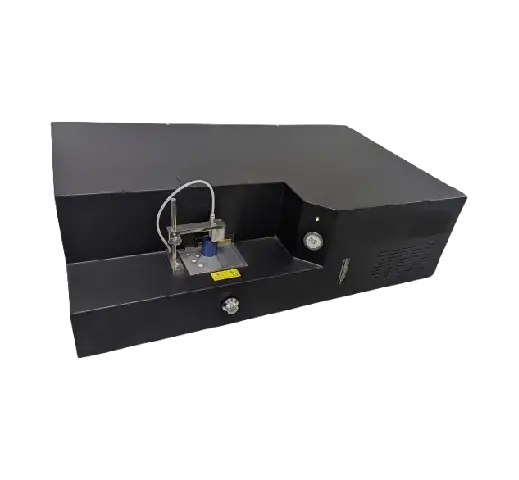
Elemental composition analysis.

Optical emission analysis helps examine elemental composition. Prepared samples and the appropriate method are needed to interpret the material chemistry against the relevant specification.

Spectrometer equipment or test demonstration

Spectrometer

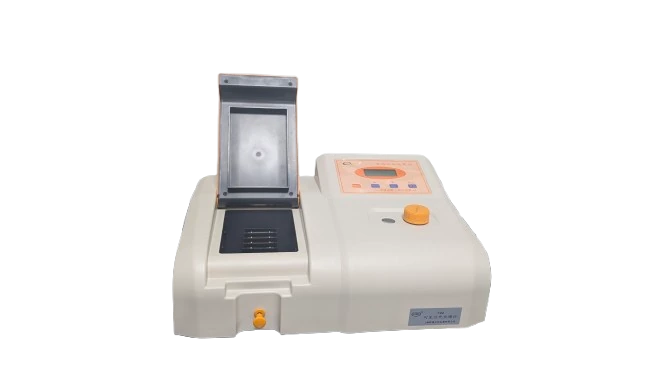
Supports analytical measurement of material or coating properties.

Spectrometer measurements support laboratory analysis and comparison of material characteristics. The specific measurement and interpretation depend on the instrument, sample and test procedure used.

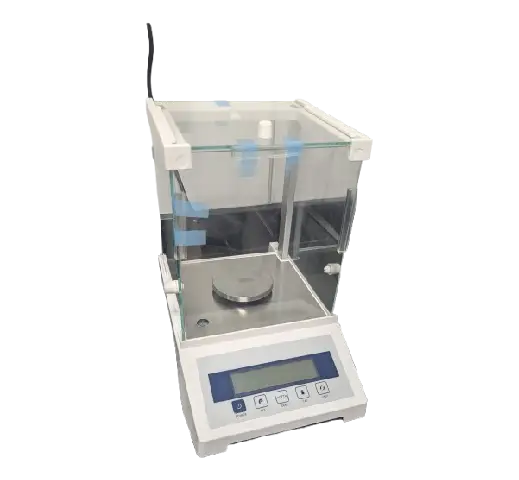
Weighing Machine equipment or test demonstration

Weighing Machine

Supports mass and coating measurement.

Accurate mass measurement supports laboratory sample preparation and checks involving material or coating weight. The measured quantity should be considered together with the sample dimensions and test procedure.

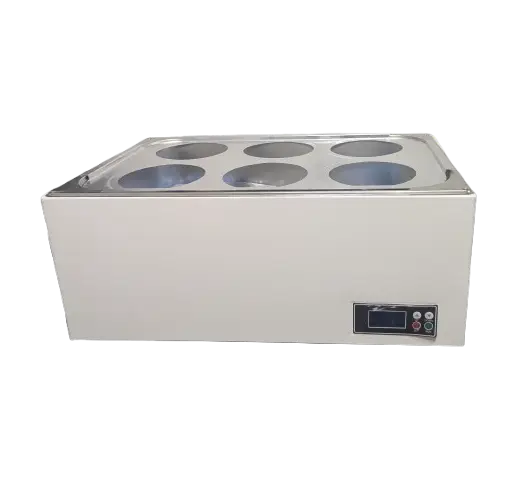
Distiller equipment or test demonstration

Distiller

Supports laboratory preparation.

A laboratory distiller supports the preparation of water for suitable laboratory procedures. Water preparation is part of maintaining consistent test inputs, rather than a finished-product performance claim.

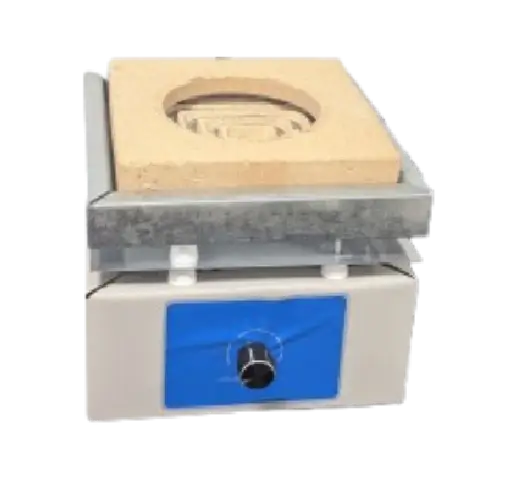
Electric Furnace equipment or test demonstration

Electric Furnace

Controlled heating for laboratory procedures.

An electric furnace provides controlled heating for appropriate laboratory procedures. The selected temperature and sample treatment depend on the purpose of the test and the material being assessed.

Product And Coating Performance

Results are most useful when the product identity, test conditions and agreed requirements are considered together. Mechanical checks, finish measurements and exposure tests provide complementary information; no single test describes the full behaviour of a coated coil in service.

Metallic Coating

Coating mass, condition and uniformity are evaluated according to applicable specification.

Paint And Surface Finish

Colour, gloss, thickness and adhesion checks support product finish quality.

Mechanical Performance

Forming and impact-related tests help assess suitability for downstream fabrication.

Corrosion Assessment

Accelerated corrosion testing supports coating-performance evaluation.

Connect The Inspection Brief To The Product

Define The Material

Identify the substrate, grade or alloy, thickness and coating system. Clear material identification is the starting point for deciding which checks are relevant to the order.

Define The Requirement

Discuss the characteristics that matter to the application and any customer inspection requirements. Test selection and acceptance criteria should relate to an agreed specification.

Review The Information

Consider measurements and observations in the context of the test conditions. Laboratory information supports material assessment without replacing correct application design, fabrication and maintenance.

Interpreting Laboratory Information

Does an accelerated exposure test predict an exact service life?

An accelerated test observes behaviour under selected controlled conditions. It should not be converted directly into a universal service-life guarantee. Product selection also depends on design, exposure, fabrication and maintenance.

How should testing requirements be discussed?

Identify the product and application, then discuss the characteristics, test conditions and acceptance requirements relevant to the order. The selected programme should support the agreed material specification.

Make Quality Requirements Part Of The Brief

Discuss the product, intended application and the inspection or testing information relevant to your material requirement.

Discuss Your Requirements